
The prestigious British magazine The Drinks Business has recently published its annual Master Winemakers Top 100ranking, highlighting the most influential and successful winemakers on the planet.
This guide — compiled from the results of international competitions and blind tastings of thousands of wines — is one of the most respected references in the global wine sector, where Chile once again stood out.
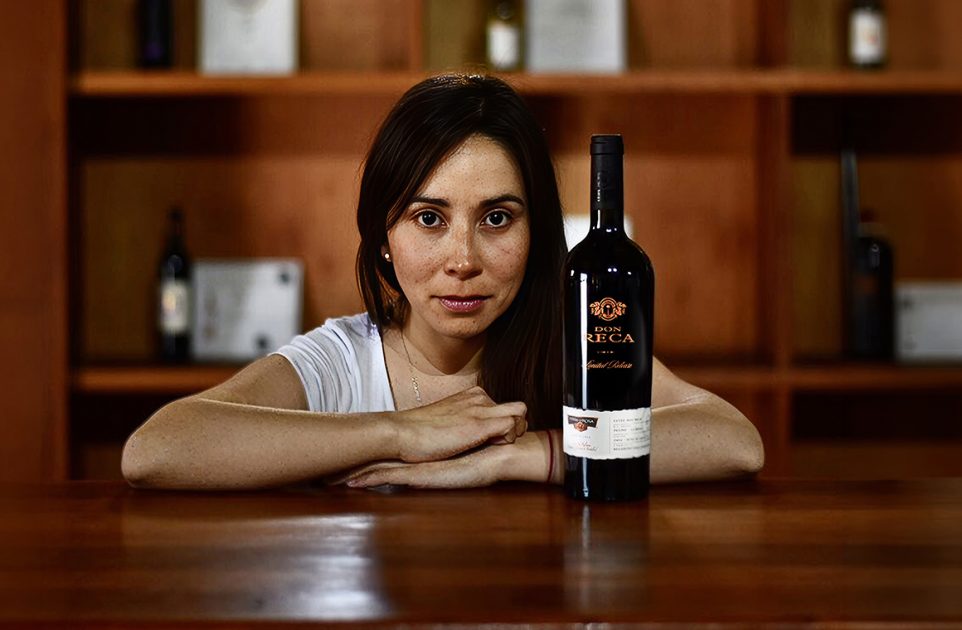
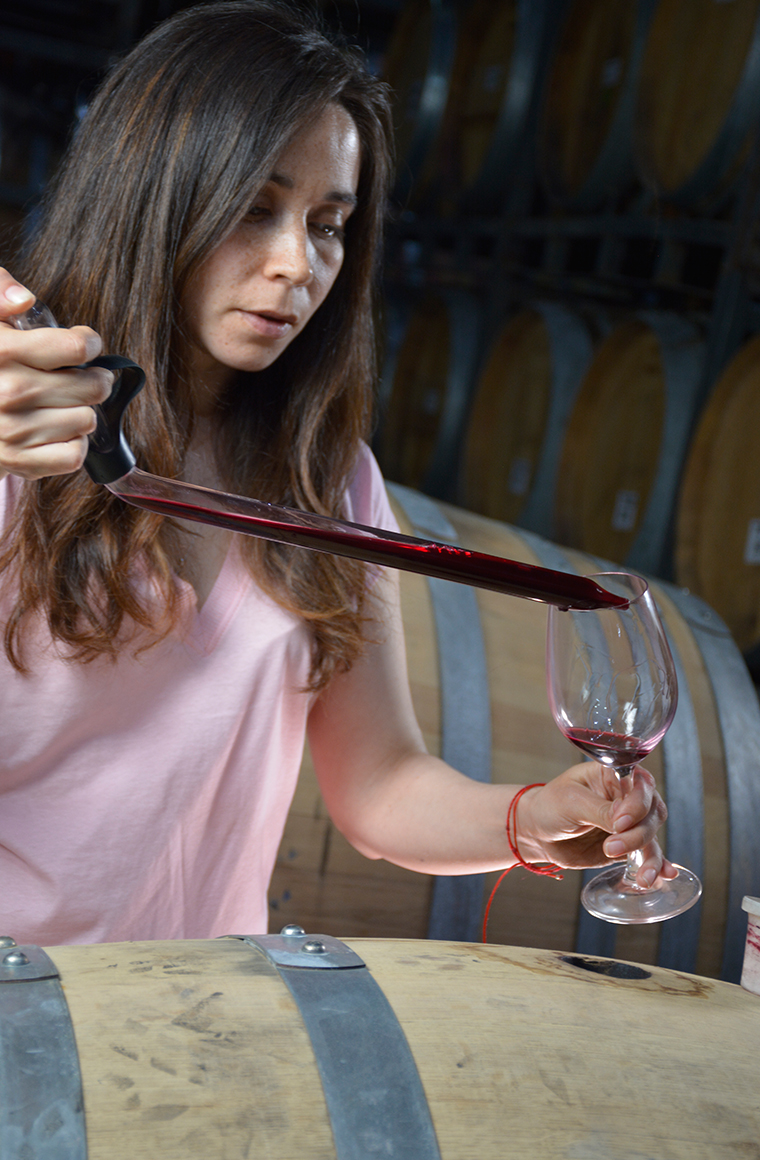
Yet beyond the collective presence, one figure shines with singular distinction: Cynthia Ortiz, Viña La Rosa winemaker, the only Chilean woman included in this distinguished selection of the world’s leading professionals.
To understand the impact of this recognition, it is essential to grasp what inclusion in this ranking truly entails. The annual guide is built from wines that have earned Master medals in competitions for The Global Wine Masters, where thousands of samples are blind-tasted by an international panel of experts to select those who best represent excellence in winemaking.
Ortiz’s inclusion on this list not only confirms her track record and technical rigor as a winemaker, but also underscores the strong position Chilean wine currently holds on the international stage.
Her recognition reflects an industry that has achieved high technical standards, consistent quality, and an increasingly well-defined identity in global markets.
Chile on the map: quality, narrative and projection
In a highly competitive context, where thousands of labels are blind-tasted by international judging panels, distinctions of this kind shine a spotlight on the dedication, precision, and vision behind each wine.
This recognition goes beyond any single category or label; it affirms Chile’s ability to craft world-class wines driven by a contemporary outlook and global ambition.
Ultimately, Ortiz’s international recognition underscores not only the quality of her wines, but also the determination and creativity needed to rank among the world’s best.
We talked to Cynthia for De Chile al Paladar about her vision of national oenology, her personal experience and what this type of distinction means for our country.
The interview
The ranking of The Drinks Business is based on the results obtained in blind tastings within the Global Wine Masters. From your perspective, what is the value of this type of recognition in such a competitive international context?
Beyond the ranking itself, what truly matters is precisely that: the result stems from a blind tasting. It places the emphasis squarely on the wine’s intrinsic quality — and in such a fiercely competitive arena, for a Chilean wine to stand out on objective merit sends a powerful signal. For me, it confirms that sustained, often quiet work does indeed yield results..
Beyond the award, what oenological decisions -whether in the vineyard, in the winery or in the definition of style- do you feel are decisive for your wines to achieve distinctions like this one?
I am a great believer in precision: harvesting at exactly the right moment, carefully managed extractions, and — most importantly — maintaining a clear stylistic definition and refining it in every detail.
Trends come and go, and it can be tempting to follow them. For my part, I believe I have remained faithful to a consistent line over time, focused on balance and the expression of origin. On that foundation, we have continued to refine our approach year after year, learning how to reveal the full potential of our grapes in every bottle.
As the only Chilean woman in this edition, your presence also opens up a broader conversation. How do you evaluate the presence of women in technical and leadership positions in the Chilean wine industry today?
I think we have come a long way in the inclusion of women in the wine industry; today there are many women in technical and leadership positions who are doing solid work. It is also true that there are many others working “behind the scenes” and perhaps the next step is to give visibility to that work.
On a personal level, I believe that when preparation and professionalism are present, the focus should rest on the work itself — not on gender. What truly matters is that opportunities remain open, and that those who are prepared are able to step forward and assume them.
In recent years, the international discourse around Chile has evolved — toward origin, freshness, valley identity, and sustainability. Which narrative do you believe is positioning the country most effectively abroad?
I believe Chile is at its strongest when it speaks from its own identity: natural freshness, a diversity of valleys, and an increasingly mindful approach to viticulture When we move away from imitating styles and present one that is distinctly our own, the message becomes far more compelling.
The wine world faces global challenges — shifting consumption patterns, sustainability demands, and new generations of consumers whose preferences have reshaped the sector. How do you see Chile within this landscape, and what opportunities do you envision for the country in the medium
New generations are looking for authenticity, coherence, and purpose. Sustainability s no longer optional; it has become part of the standard. In this context, I believe it is essential that we bring wine closer to the consumer and transform it into an experience — not merely a liquid in a bottle. To achieve that, the way we communicate wine is fundamental.
Finally, from your personal perspective, what do you think Chile has not yet fully shown the world — and what could define the next stage of its international positioning?
I believe Chile has not yet fully revealed its human diversity. Behind every wine there are stories, teams, and cultures that may not be sufficiently known. That is where the next stage lies. After all, people are an integral part of terroir. terroir.
Who are the seven Chilean winemakers among the top 100 in the world according to The Drinks Business?
-
Matias Rios - Cono Sur Chief Winemaker
-
Felipe Tosso - Chief Winemaker of Ventisquero
-
Cristián Vallejo - Chief Winemaker of Viña VIK
-
Cynthia Ortiz - Winemaker of La Rosa.
-
Nicolas Bizzarri - Chief Winemaker of Luis Felipe Edwards
-
Aurelio Montes Jr. - Technical Director of Viña Montes
-
Sebastian Labbé - Top Winemaker at Santa Rita Winery
In addition to appearing in the overall list of 100, several of them were recognised in special categories of The Drinks Business, The best wine under £10 for Cono Sur's Bicicleta Viognier 2024, or best packaging design for VIK's Stonevik 2024.
What does it mean to be in the Master Winemaker Top 100?

The guide is based on tastings organised by The Global Wine Masters, The event, in which more than 3,000 wines from all over the world participate. An international jury of experts evaluates each label blind, and those winemakers whose wines win “Master” medals are finally included in the selection of the 100 best of the year.

For Chile, this type of recognition not only highlights the technical quality of its professionals, but also the country's capacity to produce wines with an international identity and presence.
More information at www.thedrinksbusiness.com.
Check out more of our content at Chile starts the grape harvest season with more than 40 festivals.